Mood Font: Bold, Modern Design for Impactful Branding
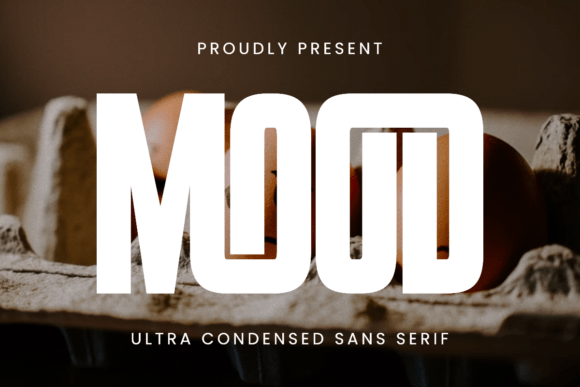
Ever find yourself scrolling through endless font libraries, looking for that one typeface that doesn’t just sit there but actually shouts? You know the one—it needs to grab attention on a crowded Instagram feed, make a product label pop on a shelf, or give a poster that distinct, edgy vibe. If you’ve been settling for safe, neutral typefaces that blend into the background, it might be time to switch gears. Enter Mood, a typeface that isn't afraid to take up space. It is an ultra-condensed sans serif font designed specifically for high-impact visuals. With its tall proportions and bold, distinctive personality, Mood is built for designers, entrepreneurs, and creators who need their typography to do the heavy lifting.
Breaking Down the Visual Impact
So, what exactly makes Mood stand out in a sea of modern typography? It comes down to its construction. Unlike standard sans serif fonts that often aim for neutrality, Mood is expressive. It features a tall, condensed structure that allows you to stack text vertically or fit more words into a single line without sacrificing readability. This is a game-changer for layout design, particularly when you are working with limited real estate like mobile screens or A5 flyers.
The letter construction is unique; it balances clean lines with just enough personality to feel fresh. It doesn't look generic. Whether you are working on a fashion editorial or a music cover, the font provides a contemporary edge. It feels industrial yet chic, depending on how you use it. Because it is designed as a display font, it shines brightest at larger sizes. Think massive headlines, hero sections on websites, or the main text on a tote bag. It is a premium font choice that instantly elevates the perceived value of a design.
Practical Applications: From Screen to Print
Understanding where to use a font like Mood is just as important as the font itself. Its versatility lies in its ability to adapt to different mediums while maintaining a strong visual presence. Here is how you can apply Mood across various creative projects:
- Branding and Logo Design: If you are launching a streetwear brand, a gym, or a modern lifestyle blog, Mood offers the instant recognition needed for a logo. Its bold structure ensures the brand name is legible even when scaled down for a favicon or scaled up for a billboard.
- Packaging Design: On a shelf, you have about three seconds to catch a customer's eye. Mood’s tall proportions make it perfect for product packaging where vertical space is key, such as on bottles, boxes, or slim labels.
- Social Media Graphics: In the fast-paced world of social media, you need scroll-stopping visuals. Using Mood for your Instagram posts, stories, or TikTok overlays ensures your message is seen immediately. It pairs beautifully with lifestyle photography, creating that "editorial" look many influencers strive for.
- Web Design and Blogs: While it is too stylized for body text, it works wonders for H1 and H2 headers. It sets a mood (pun intended) for the site immediately, giving visitors a sense of your brand's personality before they even read a paragraph of content.
- Merchandise and Invitations: From concert posters to wedding invites with a modern twist, the font handles high-contrast situations well. It is also an excellent choice for merchandise like t-shirts and hats where bold graphics are preferred.
Mastering Font Pairing and Readability
One of the biggest challenges with bold, condensed display fonts is pairing them with other typefaces. You generally want to avoid pairing two "loud" fonts together, as they will fight for attention. The golden rule of typography applies here: contrast is king.
Because Mood has such a strong, modern personality, it pairs exceptionally well with a light, legible serif font or a simple sans serif for body copy. For example, if you are designing a magazine spread, use Mood for the headlines to create drama, but switch to a classic serif for the article text to ensure comfortable reading over long paragraphs.
Readability is a crucial consideration. While Mood is legible at display sizes, remember that it is a condensed typeface. If you plan to use it for shorter sentences or calls to action (like "Shop Now" or "Subscribe"), ensure the font size is large enough for the unique character construction to be appreciated without being squashed. Always print out a test sheet or view your design on a mobile device before finalizing to check how the proportions feel in the real world.
Customization and Technical Utility
For the designers and creatives who love to tweak and refine, the technical capabilities of Mood are a significant advantage. It is PUA-encoded, which stands for Private Use Areas. In practical terms, this means you don’t need expensive design software or specialized skills to access all the hidden gems within the font file.
This encoding ensures effortless access to all glyphs, swashes, and alternate characters. Want to add a stylistic flair to a specific letter in your logo? You can easily swap out standard characters for alternates to create a custom wordmark. This level of customization helps in creating a truly unique brand identity. You aren't just typing words; you are crafting a visual asset. Whether you are using Adobe Illustrator, Photoshop, Canva, or Procreate, the characters are accessible, allowing you to customize your creations with ease.
Making the Right Choice for Your Project
Choosing the right typeface is a strategic decision. It’s not just about what looks "cool" in the moment; it’s about finding a design asset that communicates the right message to your target audience. If your project goals involve conveying energy, modernity, confidence, or a cutting-edge aesthetic, Mood is a strong contender.
When evaluating if this font fits your workflow, consider the longevity of your brand. A bold, modern sans serif like this is timeless in the world of fashion, sports, and entertainment. It ages well because it relies on strong geometric proportions rather than fleeting trends.
Before purchasing a commercial font, always review the licensing. Ensure the license covers your intended use—whether that is for a single client project, merchandise for sale, or digital products. Most premium font providers offer clear guidelines on this, protecting both you and the designer.
Ultimately, typography is the voice of your visual communication. It sets the tone before a single word is read. By incorporating a typeface with as much character and versatility as Mood, you are equipping yourself with a tool that doesn't just display text—it makes a statement. Whether you are a small business owner revamping your packaging or a graphic designer looking for that next standout headline font, exploring the potential of Mood could be the missing piece in your creative toolkit.