Hippie: The Retro Condensed Font for Modern Brands
There’s a certain magic in typography that can instantly transport you. You see a typeface, and it doesn’t just spell out words—it evokes a feeling, an era, a whole vibe. For designers and creators hunting for that perfect blend of nostalgic warmth and contemporary punch, the search often ends with a font like Hippie. This isn’t just another retro revival; it’s a carefully crafted tool built for the demands of modern visual storytelling, offering a distinctive voice for anyone looking to make their mark with confidence and style.
A Typeface with Character and Clarity
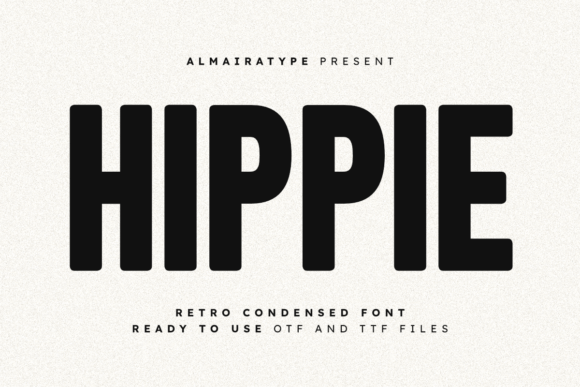
At its core, Hippie is a bold condensed display font. What does that mean for your projects? "Bold" gives it immediate visual weight and authority. "Condensed" means its characters are narrower and taller, allowing you to fit more impactful text into tighter spaces without sacrificing presence. This structure is what makes it so commanding on a poster header, a product label, or a hero section on a website.
But its personality comes from the details. The soft, slightly rounded edges soften the typical severity of a condensed typeface. This subtle curvature injects a dose of approachability and warmth, directly referencing the friendly, organic aesthetic of 70s and 80s typography. The result is a premium font that feels both sturdy and inviting—professional yet full of character. It’s this duality that makes it so versatile. You get the high-impact punch needed for logo design and packaging design, paired with the readability required for longer editorial design headlines and social media graphics.
From Screen to Stitch: Real-World Applications
The true test of any creative font is how it performs across different mediums. Hippie shines here because its design was conceived with practical use in mind. For clothing brands and print on demand entrepreneurs, it’s a game-changer. Imagine it on a bestselling t-shirt: the bold condensed form ensures the text is legible from a distance, while the rounded edges give it a casual, friendly feel that resonates with customers. It’s equally effective for hat embroidery, tote bag prints, and sticker designs.
For digital creators, the applications are vast:
- Brand Identity: Use it for your primary wordmark or as a striking secondary font for headlines. It helps build visual consistency and brand recognition with a look that’s both timeless and trend-aware.
- Web Design & Blogs: Set compelling blog post titles or call-to-action buttons. Its condensed nature is excellent for saving space in navigation menus or mobile interfaces without losing impact.
- Marketing Assets: Create scroll-stopping ads, email headers, and promotional posters. The font’s inherent energy helps improve audience engagement.
- Digital Products & Invitations: Design unique e-book covers, workshop flyers, or wedding invitations that stand out from the crowd with a distinct, retro-modern flair.
For crafters using Cricut or Silhouette machines, Hippie is a practical ally. Its clean, sturdy letterforms are optimized for smooth cutting and weeding, ensuring a professional finish on vinyl decals, custom signs, and home decor projects. You spend less time troubleshooting and more time creating.
Smart Typography: Pairing and Practical Tips
While Hippie is a powerhouse on its own, strategic font pairing can elevate your design system. Because it’s a display face, it’s meant for headlines, titles, and short bursts of text. Pair it with a clean, neutral sans serif font for body copy—think something like Open Sans, Lato, or Helvetica. This contrast ensures your message is both eye-catching and easy to read. For a more vintage or editorial feel, you could experiment with pairing it with a simple serif font or even a delicate script font for accent text.
A few practical tips for implementation:
- Test Readability: Always preview your font at the actual size it will be used. What looks perfect in a design file might need size or spacing adjustments on a mobile screen or a physical product mockup.
- Review the Styles: A good commercial font family often includes multiple weights or styles. Check if Hippie comes with variations (like a regular and a bold) to give you more flexibility within your projects.
- Understand the License: Before using a font for commercial projects—especially for merchandise you plan to sell—verify the licensing terms. Ensure it covers your intended use, whether it’s for digital products, physical goods, or both.
- Match the Mood: Use Hippie where its personality aligns with your message. It’s perfect for brands that want to convey creativity, approachability, nostalgia, or a bold, youthful energy. It might not be the right fit for a ultra-luxury or highly formal corporate context, but for lifestyle, creative, and indie brands, it’s a match made in heaven.
In the end, choosing a typeface is about finding a voice for your project. Hippie offers a voice that is confident, stylish, and wonderfully adaptable. It bridges the gap between the cherished aesthetics of the past and the clean, functional needs of today’s design landscape. Whether you’re building a brand from the ground up, refreshing your visual toolkit, or crafting your next passion project, it provides the distinct, commanding presence needed to communicate with clarity and unforgettable character.