Modernline: The Handwritten Font That Defines Simple Elegance
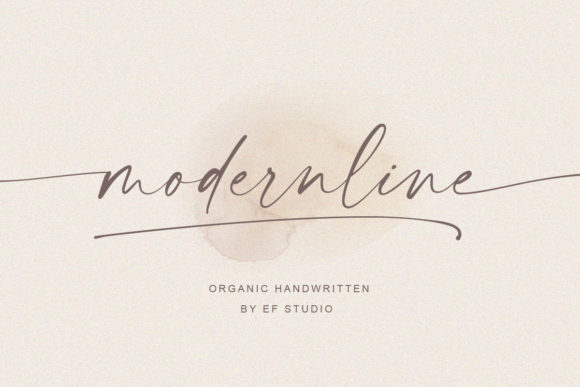
There's a particular kind of beauty in simplicity—the sort that doesn't shout but still commands attention the moment you see it. That's exactly the energy Modernline brings to the table. This handwritten typeface captures a refined elegance through its flowing curves, varied baseline, and graceful alternates, making it one of those rare creative fonts that feels both personal and polished at the same time. Whether you're designing a wedding invitation or building a brand identity from scratch, this typeface has a way of making everything it touches feel intentionally crafted.
What Makes This Typeface Stand Out
Modernline isn't your typical script font. It carries the warmth and authenticity of actual handwriting while maintaining a level of sophistication that works in professional contexts. The smooth lines and gorgeous glyphs give it a natural rhythm, almost like someone carefully penned each letter by hand. And because the baseline varies organically, the text avoids looking rigid or mechanical—instead, it flows the way real handwriting does.
One of the most practical aspects of this premium font is its PUA encoding. If you've ever struggled to access special characters, swashes, or alternate letterforms in other typefaces, you know how frustrating that can be. With Modernline, every glyph and swash is readily accessible, which means you can customize your designs without jumping through technical hoops. Whether you're working in Adobe Illustrator, Photoshop, Canva, or even basic design software, those stunning alternates are right at your fingertips.
Where Modernline Truly Shines
The versatility of this handwritten font is what really sets it apart. It's not locked into one type of project or one aesthetic direction. Here's where it works exceptionally well:
- Logo Design: If you're building a brand that needs to feel approachable yet elegant—think boutique shops, lifestyle blogs, artisan products—Modernline delivers that balance beautifully. A wordmark set in this typeface instantly communicates warmth and attention to detail.
- Packaging Design: For small-batch products, handmade goods, or specialty items, the font adds a handcrafted quality that resonates with consumers who value authenticity. Picture it on candle labels, skincare bottles, or gourmet food packaging.
- Social Media Graphics: Instagram quotes, Pinterest pins, and Facebook headers all benefit from a typeface that catches the eye without overwhelming the message. Modernline's clean readability at various sizes makes it a strong choice for digital content creation.
- Wedding Invitations and Event Stationery: This is where the font feels most at home. The elegant swashes and flowing letterforms set a romantic, sophisticated tone that couples and event planners look for.
- Website Headers and Blog Graphics: Pairing Modernline with a clean sans serif font for body text creates a compelling visual hierarchy. It draws readers in with personality while the supporting typeface keeps longer content easy to read.
- Print Materials and Posters: Flyers, brochures, and promotional posters gain visual interest when a display font like this one headlines the layout. It breaks up the monotony of standard corporate typography.
- Merchandise and Digital Products: From t-shirt designs to downloadable planners and worksheets, this creative font adds a distinctive touch that elevates everyday items into something people actually want to buy or download.
Matching Typography to Your Project Goals
Choosing the right font isn't just about what looks pretty—it's about what communicates the right message. Every typeface carries a personality, and Modernline's personality leans toward warmth, creativity, and understated sophistication. That makes it ideal for projects where you want to connect with your audience on a human level rather than presenting a cold, corporate face.
Think about your brand identity. If your business caters to creative audiences, values craftsmanship, or operates in lifestyle spaces like fashion, beauty, food, or wellness, this typeface aligns naturally with those values. A photographer's portfolio site, for instance, benefits enormously from a handwritten display font that feels artistic without being messy. A bakery's menu design using Modernline communicates homemade quality and care.
On the flip side, if you're designing for a law firm or a financial institution, a script font probably isn't the right primary choice. Context matters. That said, even more traditional brands can use a typeface like this sparingly—perhaps in a tagline or a seasonal campaign—to soften their visual communication and inject some personality.
Getting the Font Pairing Right
A great typeface rarely works entirely alone. Font pairing is where design gets interesting, and Modernline plays well with others. Because it's a handwritten script with decorative qualities, it benefits from being balanced with something simpler and more structured.
Try combining it with a clean sans serif font like Montserrat, Open Sans, or Lato for body copy. The contrast between the organic, flowing script and the geometric precision of a sans serif creates visual tension that keeps layouts dynamic. For a different mood, pairing it with a classic serif typeface like Playfair Display or Lora can create a more editorial, magazine-inspired feel.
The key principle here is contrast. If your headline font is expressive and detailed, your supporting typeface should be quiet and legible. Avoid pairing two highly decorative fonts together—that's a fast track to visual chaos. Instead, let Modernline be the star while a more restrained font handles the heavy lifting of paragraphs and smaller text.
Practical Tips for Using Modernline Effectively
Before you start designing, take a few minutes to explore all the included styles and alternates. The swashes and glyph variations are where this typeface really comes alive, and you'll get the most value by experimenting with different combinations. Swap out a standard lowercase "g" for an alternate version, add a flourish to a capital letter, or extend a tail on the final character of a word—these small details make a big difference.
Size matters with any display font. Modernline reads beautifully at larger sizes, which is why it works so well for headlines, logos, and hero text. At smaller sizes, the delicate details can start to lose clarity, so reserve it for prominent text rather than body copy or fine print. If you need to use it at a smaller scale, test it across different screens and print outputs to make sure the letterforms remain distinct.
Spacing and kerning are worth paying attention to as well. Handwritten fonts sometimes need manual adjustments between specific letter pairs to maintain that natural, flowing look. Most design software gives you control over tracking and kerning, so don't hesitate to fine-tune those settings for the best result.
And here's something worth considering from a business perspective: commercial licensing. If you're using Modernline for client work, merchandise, or products you intend to sell, make sure you understand the licensing terms. Most premium fonts come with clear guidelines about what's permitted, and respecting those terms protects both you and the typeface designer. It's a small detail that professional designers and business owners should never overlook.
Why Thoughtful Typography Still Matters
In a world saturated with content, the details that separate forgettable design from memorable design often come down to typography choices. A thoughtfully chosen typeface does more than make words visible—it shapes how people feel about what they're reading. It builds brand recognition over time. It communicates professionalism before a single word is processed consciously.
Modernline offers that rare combination of personality and polish. It doesn't try to be everything, and that's precisely why it works so well. For designers, entrepreneurs, and creators who want their projects to feel both approachable and elevated, it's a typeface worth having in your toolkit. The real value shows up when you start applying it across different contexts—your website, your packaging, your social feeds—and watch how it ties everything together into a cohesive, recognizable visual identity.
Typography is one of those design elements that people rarely notice when it's done right, but always notice when it's done wrong. With a font like this one, getting it right becomes significantly easier. The smooth lines, the gorgeous alternates, the effortless elegance—these aren't just features listed on a product page. They're tools that help you communicate more effectively, connect more authentically, and present your work with the kind of visual confidence that makes people stop scrolling and pay attention.