Barbie Font: A Simple Handwritten Typeface for Natural Design
Finding a typeface that feels personal yet professional can be a real challenge. You want something that connects with your audience on a human level without sacrificing clarity or style. That's where a font like Barbie comes in. It's a simple, handwritten typeface designed to bring a touch of authenticity to your work. Whether you're crafting a heartfelt greeting card or designing a bold headline, this font offers a straightforward path to adding warmth and approachability to your projects. Let's explore how this versatile tool can fit into your creative toolkit and help you communicate more effectively.
What Makes This Handwritten Font Stand Out
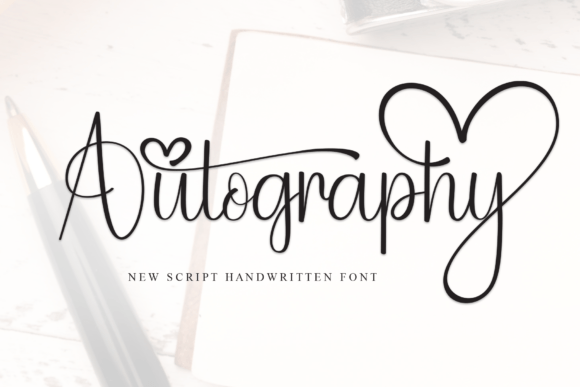
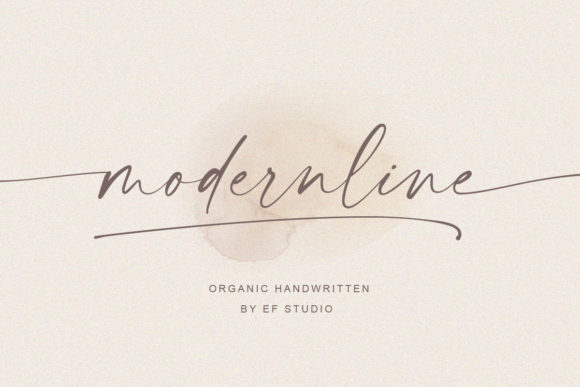
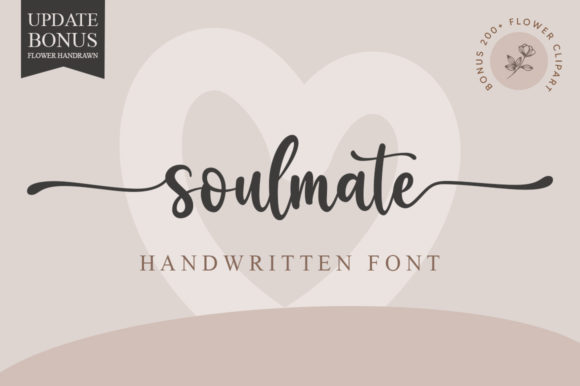
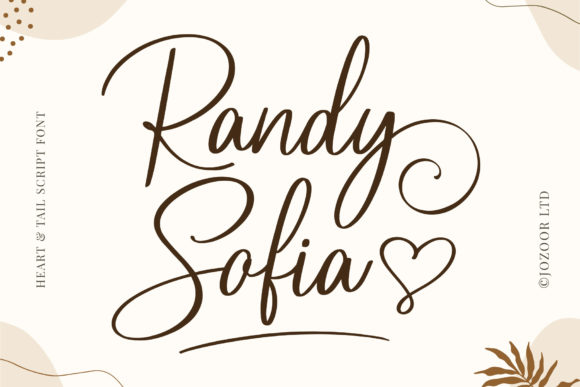
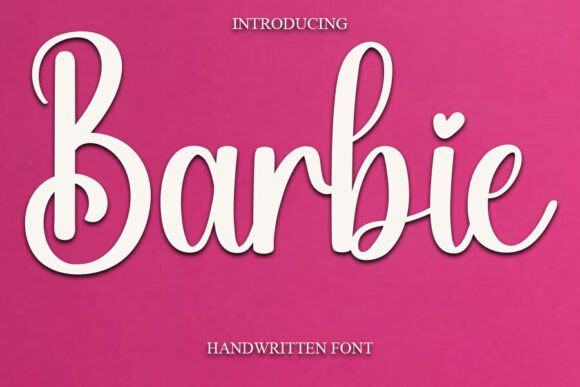
At its core, Barbie is a script font that mimics the natural flow of handwriting. Its characters are clean and legible, avoiding the overly ornate loops that can make some script fonts hard to read. The simplicity is its strength. Each letter maintains a consistent baseline and x-height, which is crucial for ensuring text remains easy to scan, even at smaller sizes. This balance between casual charm and functional design makes it a practical choice for a wide array of applications. It doesn't scream for attention; instead, it invites the reader in with a friendly, familiar vibe.
Visually, the font strikes a nice balance. It has enough personality to feel handcrafted and unique, but it's not so quirky that it limits its use. Think of it as the typographic equivalent of a well-worn pair of jeans—comfortable, reliable, and appropriate for many situations. The letterforms are open and airy, which contributes to good readability. This is particularly important for body text or any instance where you have longer passages of information to convey. A font that looks beautiful but is difficult to read ultimately fails in its primary purpose.
Practical Applications Across Your Projects
The true test of any design asset is its versatility. How many different ways can you use it effectively? Barbie, as a premium font, shines in this regard. Its simple, natural feel adapts well to both digital and print environments, making it a valuable asset for designers, entrepreneurs, and creators alike.
Building a Recognizable Brand Identity
For small businesses and startups, establishing a brand identity is about creating a consistent and relatable persona. A handwritten font can be a powerful tool here. Using Barbie for your logo, wordmark, or brand slogans can immediately convey a sense of approachability, creativity, and human touch. It tells your audience that there are real people behind the business. This works exceptionally well for brands in the lifestyle, wellness, food, or artisanal product spaces. Consistency is key, so once you select this as part of your brand's typography, ensure it's used uniformly across all materials—from your website headers to your business cards.
Digital Presence: Websites, Blogs, and Social Media
In the crowded digital landscape, standing out requires a clear visual voice. On a website, Barbie can be used effectively for headlines, pull quotes, or call-to-action buttons to draw the eye and break up blocks of sans serif or serif body text. This creates a dynamic visual hierarchy that guides the user's attention. For bloggers, it can add personality to post titles or featured graphics, making content feel more personal and engaging.
Social media is another perfect playground for a creative font like this. Instagram stories, Facebook posts, and Pinterest graphics all thrive on authentic, eye-catching visuals. Overlaying a quote or a promotional message in a handwritten font over an image or video can make it feel more personal and less like a corporate ad. It's a subtle way to increase engagement and make your content feel more shareable.
Print Materials and Packaging Design
The charm of a handwritten font isn't limited to screens. In print, it excels. Think about wedding invitations, birthday cards, or thank-you notes. Barbie adds the perfect sentimental touch without looking messy. For packaging design, especially for products like candles, cosmetics, baked goods, or handmade crafts, it can reinforce the product's handmade or small-batch quality. The font on the label tells a story about the product inside. It can also be used beautifully on posters, flyers, and event signage to create a welcoming and informal atmosphere.
Making Smart Typography Choices
Choosing a font is more than just picking something you like. It's about selecting the right tool for the job. Here are a few practical considerations when working with a font like Barbie.
- Match the Font to the Goal: Always start with the project's objective. Is it to sell a premium product? Convey a serious message? Or create a fun, casual vibe? Barbie's personality is friendly and organic. It's perfect for projects aiming for warmth and approachability but might not be the best fit for a corporate law firm's annual report. Understanding this alignment is the first step in effective typography.
- Master Font Pairing: Rarely does a single font work alone. The most effective designs use font pairing. Barbie, as a script or handwritten font, pairs wonderfully with a clean, simple sans serif font (like Montserrat, Open Sans, or Lato) for body text. The contrast between the expressive headline and the neutral body copy creates balance and ensures readability. You could also pair it with a classic serif for a more elegant feel. Test different combinations to see what resonates with your project's tone.
- Prioritize Readability: No matter how beautiful a font is, if people can't read it, it's useless. Always test your chosen font at the size it will be used. Check how it looks in a paragraph of text, not just as a single headline. Ensure there is enough contrast between the text color and the background. For body text, especially on websites, legibility is paramount.
- Review the Included Styles: A good font family often comes with more than one style. Check if Barbie includes variations like bold, light, or italic. These additional styles give you more flexibility to create emphasis and hierarchy within your designs without needing to introduce another, potentially clashing, font.
- Understand the License: This is a critical, often overlooked step. If you're using the font for a commercial project—a client's logo, merchandise for sale, or a paid digital product—you must ensure you have the correct commercial license. Always read the licensing agreement provided by the font creator to avoid legal issues down the road. It's a professional necessity.
Ultimately, a typeface like Barbie is a tool for connection. Its value lies in its ability to communicate a specific feeling—authenticity, creativity, and simplicity—in a way that resonates with people. By thoughtfully integrating it into your design system, you can create more cohesive, engaging, and memorable visual communications that truly speak to your audience.