Buffalo: The Handwritten Font That Feels Like a Warm Hug
There's something undeniably human about a handwritten font. In a world saturated with crisp, digital precision, the gentle curves and slight imperfections of a script typeface can cut through the noise and make a genuine connection. It's the difference between a typed memo and a note slipped under your door—a feeling of authenticity that's hard to replicate. That's the immediate, gut-level appeal of Buffalo. It doesn't just sit on the page; it leans in, offering a sense of warmth, personality, and approachability that can transform a flat design into a memorable conversation.
A Typeface with Personality, Not Just Style
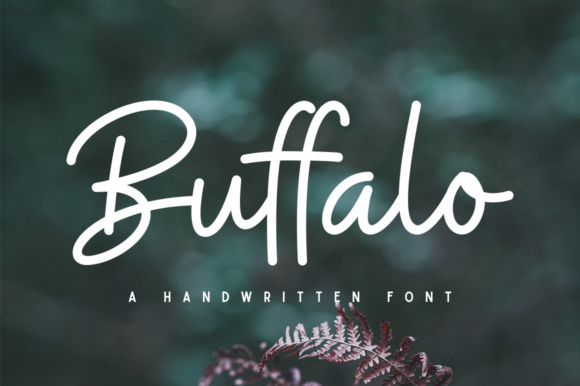
What sets Buffalo apart in a crowded field of script fonts? It’s the balance. Too many handwritten fonts err on the side of casual, sacrificing legibility for flair. Others become so stylized they're only suitable for a single, niche application. Buffalo strikes a thoughtful middle ground. Its letters have an elegant, flowing rhythm that feels both intentional and organic. The swashes are confident but not overbearing, the connections between letters are smooth, and the overall texture has a slight, natural grain that avoids looking digitally sterile. This makes it a remarkably versatile premium font—equally at home on a rustic wedding invitation and a modern social media graphic for a tech startup. It’s a display font with real depth, capable of carrying a headline with presence while still feeling personal.
Where Buffalo Truly Shines: Practical Applications
Thinking about where to use a font like this is where the fun begins. Its core strength is in any project where you want to inject a dose of authenticity and human touch. Let's move beyond the generic "it's good for everything" and look at specific, actionable scenarios.
Branding & Logo Design: For small businesses, especially those in creative fields, food, wellness, or boutique retail, Buffalo can become the cornerstone of a brand identity. Imagine a coffee roaster using it for their logo—it instantly communicates craft and care. A yoga studio or a handmade soap company would find its gentle curves perfectly aligned with their ethos. When used as a logomark, it creates immediate recognition. Pair it with a clean sans serif font for body text, and you have a balanced, professional font pairing system that feels both distinctive and readable.
Packaging & Product Labels: This is where typography directly influences a purchasing decision. On a jam jar label, a bottle of artisanal hot sauce, or the packaging for a luxury candle, Buffalo adds a perceived value of "homemade" or "small-batch" quality. It tells a story before the customer even reads the ingredients. The key here is to ensure the font size maintains readability; a slightly larger point size often works best for these applications.
Digital Presence & Content Creation: For bloggers and content creators, visual consistency is everything. Using Buffalo for all your blog post titles, quote graphics, and Instagram Story headers can quickly establish a recognizable aesthetic. It makes your content feel cohesive and curated. On a website, consider using it for a single, powerful element—like the main headline on your homepage or the call-to-action on a landing page—to draw the eye without overwhelming the visitor. It’s a fantastic tool in your web design toolkit for adding a burst of personality.
Integrating Buffalo into Your Design Workflow
Simply liking a font isn't enough; you need to know how to use it effectively. Here are some practical tips for making Buffalo work for you, whether you're a seasoned designer or a DIY entrepreneur.
Consider the Context and Pairing: The most common mistake with script fonts is overuse. Buffalo is a star player, not the entire team. Use it for headlines, short phrases, or key names, and pair it with a highly legible serif font or sans serif font for longer paragraphs. For example, a wedding invitation might use Buffalo for the couple's names and a simple serif for the event details. This creates hierarchy and ensures your message is both beautiful and clear.
Test for Readability Across Sizes: Always mock up your design at the intended size. A phrase that looks gorgeous on a poster might become an illegible blur when shrunk down for a business card. Buffalo's design holds up reasonably well at smaller sizes compared to many scripts, but testing is non-negotiable. Pay attention to letter spacing (tracking) if needed.
Explore the Included Styles: A quality commercial font like Buffalo often comes with more than one weight or style. Check if it includes a regular, bold, or alternate character sets. These additional design assets give you more flexibility. The bold version might be perfect for a merchandise t-shirt, while the regular weight is ideal for a delicate thank-you note.
Licensing for Peace of Mind: If you're using this for a client project, merchandise you sell, or any commercial venture, ensure you have the correct commercial license. This protects you legally and supports the font designers who created this tool for you. It’s a professional step that’s often overlooked by beginners.
Beyond the Obvious: Creative and Editorial Uses
Think outside the standard applications. Buffalo can add a dramatic, personal touch to editorial design. Imagine a magazine feature on a local artist with their name set in Buffalo—it feels intimate and celebratory. For marketing assets like email headers or promotional flyers for a workshop, it can convey excitement and a personal invitation. In digital products, such as printable planners, journal templates, or social media kits, it becomes a valuable asset that others will seek out for its aesthetic appeal. Even for personal projects, like crafting a family recipe book or designing custom party invitations, it brings a level of polish and intention that generic fonts can't match.
Ultimately, choosing a font like Buffalo is about more than just aesthetics; it's about strategy. It's a tool for shaping perception, building brand recognition, and fostering audience engagement. It helps you move from simply presenting information to telling a story. In the crowded visual landscape of today, that human, handwritten touch might just be the most powerful design choice you make. It doesn't just decorate your work—it gives it a voice.