Japandi: Where Scandinavian Warmth Meets Japanese Precision in a Font
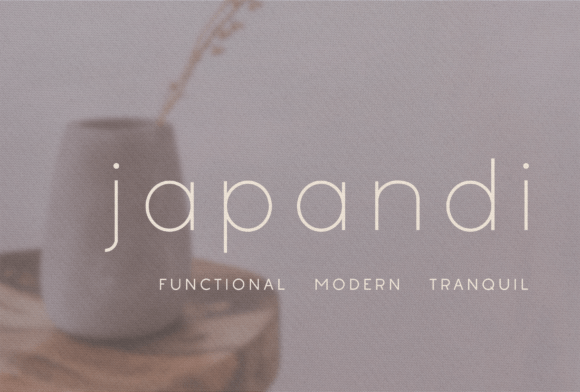
There's a quiet confidence in designs that feel both familiar and fresh. You see it in a perfectly balanced room, a beautifully simple logo, or a social media feed that just feels cohesive. This aesthetic, often called Japandi, blends the rustic warmth of Scandinavian design with the refined minimalism of Japanese style. Now, that same philosophy has been distilled into a typeface. The Japandi font isn't just a name; it's a design principle made tangible. It’s a minimalistic, lightweight sans serif with a clean and crisp design, created specifically for interior design-related projects but versatile enough to elevate a wide range of creative work.
At its core, this typeface is about thoughtful reduction. It strips away unnecessary flourishes and ornamental weight, leaving letterforms that are airy, legible, and effortlessly modern. The characters have a gentle geometry—think of the subtle roundness in an 'o' or the clean termination of a 't'—that avoids feeling cold or sterile. This balance is its superpower. It provides the clarity and professionalism of a premium font without the stark, sometimes impersonal, feel of a purely geometric sans serif. For anyone building a brand, crafting content, or designing marketing assets, this font offers a foundation of quiet sophistication.
A Typeface for the Modern Creative Toolkit
Let's talk about where this font actually shines. Its design DNA makes it a natural fit for projects where clarity, mood, and brand perception are paramount. Think about a boutique hotel's website. The headings need to evoke a serene, upscale atmosphere, while the body text for room descriptions and booking information must be exceptionally easy to read. Japandi handles both with grace. The same principle applies to a wellness brand's packaging, where the font communicates purity and calm on a minimalist label, or a high-end furniture catalog, where it complements product photography without competing for attention.
Beyond interior design, its applications are remarkably broad:
- Brand Identity & Logo Design: For businesses in lifestyle, wellness, artisan goods, or modern services, this font can become the cornerstone of a visual identity. It helps create logos that are memorable, scalable, and timeless.
- Editorial & Print Design: Use it for magazine layouts, lookbooks, or annual reports. Its readability at both large display sizes and smaller body text settings makes it a workhorse for long-form content.
- Digital Presence: From website navigation to blog post headers and email newsletters, the font ensures a consistent, professional look across all digital touchpoints. Its clean lines render beautifully on screens of all sizes.
- Social Media & Marketing: Create cohesive Instagram stories, Pinterest graphics, and promotional posters. The font's neutral yet distinctive style helps maintain visual consistency across a busy content calendar, strengthening brand recognition with every post.
- Packaging & Merchandise: Whether it's a candle label, a tote bag, or a coffee bag, the font adds a layer of considered design. It communicates quality and attention to detail, which can influence purchasing decisions.
- Invitations & Digital Products: Design elegant wedding invitations, workshop flyers, or e-book covers. Its versatility allows it to feel both personal and polished, suitable for both formal and casual communications.
Making Practical Typography Choices
Choosing a font is more than picking something that looks nice in a specimen sheet. It's a strategic decision that affects how your message is received. Here’s how to approach it with a font like Japandi.
Align Font Personality with Project Goals. Before you start, ask: What emotion should this project evoke? If the answer is "calm, modern, trustworthy, or minimalist," a lightweight sans serif like this is a strong candidate. It won't work for a project needing a playful, script-like vibe or a heavy, impactful display font. The key is matching the typeface's inherent tone to your project's desired outcome.
Master the Art of Font Pairing. A single font family can often carry a project, but pairing it with others adds depth. Japandi's clean sans serif nature makes it a fantastic partner. For a touch of classic elegance, pair it with a refined serif font for subheadings or pull quotes. For a more organic, human feel, consider a subtle handwritten or script font for accents. The rule of thumb is contrast: pair a simple sans serif with a more expressive companion, but ensure they share a similar x-height or overall proportion for harmony.
Prioritize Readability at Every Size. A font's beauty is useless if it can't be read. Test your chosen font styles in context. How does the bold weight work for a button on a mobile app? Is the regular weight comfortable for reading a 300-word blog excerpt? Check the spacing between letters and lines. A font designed with readability in mind, like this one, will often have thoughtful defaults, but always adjust for your specific medium—print often requires different settings than web.
Understand Your Licensing. This is a non-negotiable step for commercial work. If you're using the font for a client's logo, selling merchandise, or creating templates for sale, you must ensure you have the correct commercial license. Many premium fonts come with clear licensing tiers for personal, commercial, and enterprise use. Ignoring this can lead to legal issues down the line, so always review the license agreement included with your font files.
Building a Cohesive Visual Language
The true power of integrating a thoughtfully designed typeface like this into your workflow is the consistency it brings. Visual consistency is the bedrock of brand recognition. When your audience sees the same clean, modern typography across your website, your Instagram posts, and your product packaging, they start to associate that style with your brand's values—reliability, quality, and a specific aesthetic.
This consistency also enhances professional presentation. It signals that you care about the details, which builds trust. For a small business owner or a content creator, this can be the subtle differentiator that makes your work feel more established and credible. It streamlines your design process, too. Having a reliable, versatile font family on hand means you spend less time searching for the "right" font for each new project and more time executing your ideas.
In the end, typography is a silent ambassador for your brand or project. A font like Japandi doesn't shout for attention; it earns it through clarity, balance, and a timeless aesthetic that resonates with contemporary tastes. It’s a tool that helps bridge the gap between a great idea and a polished, professional execution, whether you're designing a single social media graphic or building an entire brand identity from the ground up.