Butterfly: The Handwritten Font That Adds Instant Elegance
There’s a certain magic in a design that feels personal. It’s the difference between a generic, printed card and one that arrives with a handwritten note inside. That intimate, crafted quality is what many creators and brands strive to capture, and it’s often found in the details—specifically, in the typography. Choosing a premium font like Butterfly can be the single element that transforms a project from functional to unforgettable. This isn't just another script font; it's a display font with a distinct personality, designed to bring a sophisticated, human touch to a wide array of creative work.
Capturing a Refined, Handcrafted Aesthetic
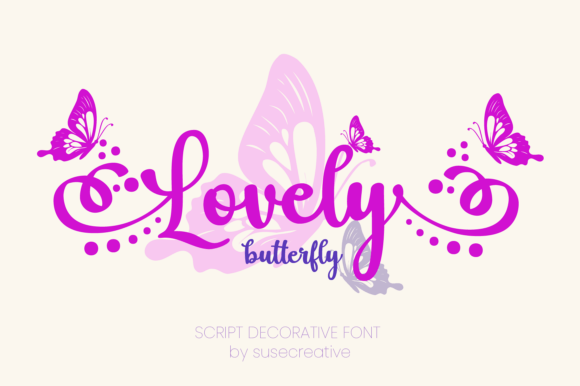
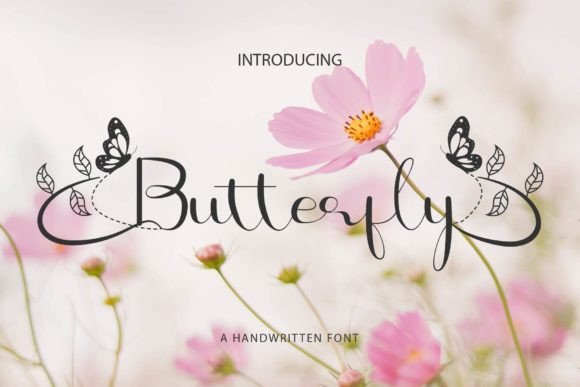
Butterfly is a stylish and incredibly elegant decorative handwritten font. Its visual appeal lies in its graceful, flowing letterforms that mimic the fluidity of natural handwriting. Unlike some script fonts that can feel overly casual or chaotic, Butterfly maintains a sense of balance and readability. The characters connect with a gentle rhythm, creating words that look as though they were penned by a skilled calligrapher. This makes it a versatile typeface that feels both personal and polished.
The design style is inherently modern yet timeless. It avoids the extremes of overly ornate vintage scripts or stark, minimalist sans-serifs. Instead, it occupies a sweet spot: elegant enough for formal occasions like wedding invitations, yet contemporary enough for digital brand identity work. The subtle variations in stroke weight give it a textured, authentic feel that static digital fonts often lack. For designers, this means it can add warmth and character without sacrificing a clean, professional presentation.
Practical Applications Across Creative Projects
The true test of any creative font is its versatility. Butterfly shines because its personality adapts to context. Its primary strength is in projects where a human touch is paramount. Think of a boutique bakery’s logo, where the font conveys artisanal care, or a wellness brand’s packaging, where it suggests gentleness and authenticity. In logo design, a well-chosen wordmark using Butterfly can become the cornerstone of a brand identity, instantly communicating a story of elegance and craftsmanship.
Beyond logos, consider its role in packaging design. On a label for handmade soaps or a gift box for specialty foods, this font elevates the product, suggesting premium quality. For social media graphics, it can make quotes, announcements, or sale promotions stand out in a crowded feed, fostering better audience engagement. Its style is perfect for creating eye-catching headers on websites or blogs, especially for lifestyle, fashion, or creative industry niches. It’s also a natural fit for print materials like business cards, brochures, and posters where you want to leave a memorable impression.
For creators of digital products—such as planners, worksheets, or social media templates—Butterfly adds significant value. It makes the product feel more curated and valuable. Similarly, in editorial layouts for magazines or lookbooks, it can be used for pull quotes or section headers to break up dense text and guide the reader’s eye. Even merchandise like t-shirts, mugs, or tote bags can benefit from its stylish flair, turning everyday items into statement pieces.
Integrating Butterfly into Your Design Workflow
Adopting a new handwritten font into your toolkit requires a bit of strategy to ensure it enhances rather than hinders your work. The first step is understanding its personality. Butterfly’s elegance makes it ideal for headlines, logos, and short bursts of text. For body copy or long paragraphs, pairing it with a highly readable sans serif font or a simple serif font is crucial. This contrast creates a visual hierarchy that is both beautiful and functional, improving overall readability.
When choosing the right font style for your project, always consider your audience and goals. Is the project meant to feel luxurious, whimsical, or approachable? Butterfly leans toward the luxurious and whimsical. It’s perfect for a wedding stationery business or a high-end café, but might not be the first choice for a corporate law firm’s annual report. Always test your font pairings in context. Place your headline in Butterfly and your body text in a clean font like Montserrat or Lora. View it on screen and in print to check for visual harmony.
A significant practical advantage of Butterfly is that it is PUA encoded. This technical detail means all the extra glyphs, swashes, and alternate characters are easily accessible through standard software. You don’t need to be a typography expert to use them. Simply use the character map or glyphs panel in your design program (like Adobe Illustrator, Photoshop, or even Canva) to explore and insert these special characters. These alternates are what allow you to customize letter combinations, creating truly unique and personalized designs that stand out. This feature greatly enhances your creative control and the final visual consistency of your project.
Key Considerations Before You Create
Before finalizing any design with Butterfly, a few practical checks are essential. First, always review the included font styles and licensing. A commercial font license typically allows you to use the font in projects for clients, on merchandise for sale, and in digital products you distribute. Ensure the license you acquire covers your intended use cases, especially if you plan to use it in logo designs where the client will trademark the mark.
Second, prioritize readability considerations. While Butterfly is elegant, its handwritten nature means it may not render perfectly at very small sizes or on low-resolution screens. Test it at the intended scale. For a website header, it might be perfect. For a 10pt footnote in a printed booklet, you’d likely choose a different, more legible typeface. This thoughtful approach ensures your design is not only beautiful but also effective in communication.
Ultimately, typography is a powerful tool for visual communication. A font like Butterfly offers more than just letters; it offers a mood, a feeling, and a connection. By understanding its strengths and applying it with intention, you can use it to create designs that resonate deeply, build stronger brand recognition, and deliver a truly professional presentation