Enchanting Typography: The Grace of Lovely Butterfly Script
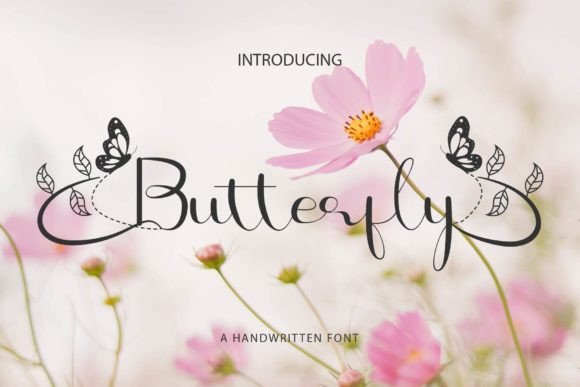
Imagine a design that captures the delicate dance of a butterfly in flight—each curve and wing detail preserved in ink. That is the essence of the Lovely Butterfly script. In a market saturated with rigid sans-serifs and predictable serifs, this decorative typeface offers a breath of fresh air, blending intricate nature-inspired motifs with fluid calligraphic strokes. It is more than just a font; it is a visual storytelling tool designed to inject whimsy, femininity, and sophistication into your creative projects. Whether you are a designer curating a wedding stationery suite or a small business owner looking to carve out a unique brand identity, understanding how to wield this style effectively can transform your visual communication from mundane to magical.
Visual Characteristics and Aesthetic Appeal
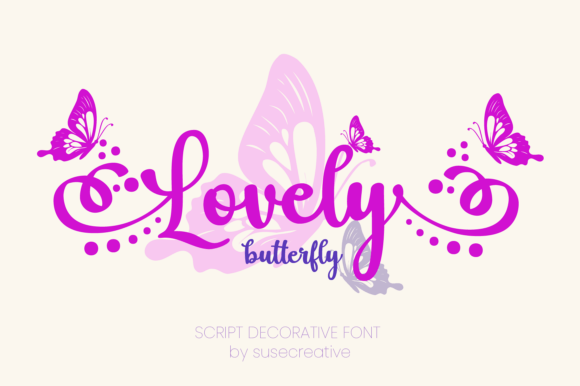
At its core, Lovely Butterfly is a display font, meaning it is crafted specifically to catch the eye rather than serve as body text. Its defining feature is the integration of decorative butterfly elements within the letterforms themselves. You will notice the swashes and tails of the letters often morph into delicate wings, creating a seamless flow between text and illustration. This intricate detailing gives the font a high-end, premium feel.
The style falls firmly into the category of script fonts, but it leans heavily towards a handwritten font aesthetic with a polished finish. The letters connect in a continuous, flowing rhythm, mimicking the natural movement of a brush or pen. This creates a sense of movement and life on the page. Unlike stark, geometric typefaces, this script embraces imperfection and organic curves, making it ideal for projects that need to feel personal and approachable yet elegant. It is a typeface that demands attention, so it works best when used strategically for headlines, monograms, or logos where its detailed craftsmanship can truly shine.
Strategic Applications for Branding and Marketing
For creative entrepreneurs and designers, the practical application of a font is just as important as its beauty. Lovely Butterfly serves a specific niche in the design world, particularly for projects that target a female demographic or aim to convey a sense of luxury and care. Here is how you can integrate this typeface into your workflow to enhance visual consistency and audience engagement.
Stationery and Event Design
The most natural fit for this font is in the world of events. Because of its wedding invitation suitability, it is a staple for stationery designers. It pairs beautifully with textured card stocks and soft color palettes like blush, sage, and gold. Beyond weddings, consider using it for milestone birthdays, bridal showers, or high-end boutique event invitations. The font does the heavy lifting of decoration, meaning you can keep your layout minimal while still achieving a rich, layered look.
Packaging and Product Labeling
If you run a small business selling artisanal goods—think soaps, candles, florals, or jewelry—packaging is your silent salesperson. A Lovely Butterfly logo or label design can instantly communicate that your product is crafted with care and attention to detail. It works exceptionally well on hang tags, box inserts, and primary labels. However, readability is key here. Because this is a decorative font, ensure that essential information like weight, ingredients, or instructions is set in a clean sans serif font or a highly legible serif font to maintain clarity.
Digital Presence and Social Media
In the crowded space of social media, stopping the scroll is essential. Lovely Butterfly is excellent for creating eye-catching social media graphics, particularly for Instagram quotes, sale announcements, or Pinterest pins. Its unique silhouette stands out against standard web fonts. When using it for web design, treat it as an accent font. It is perfect for hero section headers or specific call-outs, but it should not be used for navigation menus or paragraph text where load times and legibility on smaller screens are concerns.
Mastering Typography: Pairing and Readability
One of the biggest challenges with using a highly stylized script font is ensuring it doesn't overwhelm the viewer. The key to professional typography is balance. You are essentially creating a visual hierarchy where the "loud" font grabs attention and the "quiet" font delivers the message.
The Art of Font Pairing
Because Lovely Butterfly has such a strong personality, it requires a neutral partner. Avoid pairing it with other decorative fonts, as this will result in visual chaos. Instead, look for a timeless sans serif font like Montserrat, Lato, or Open Sans. These geometric or humanist sans-serifs provide a clean, modern contrast that allows the script's intricate details to pop without competition. Alternatively, a classic, light-weight serif font can enhance the elegance, creating a sophisticated, editorial look suitable for high-end branding or editorial design.
Readability Considerations
While the font is beautiful, context matters. If you are designing a logo, you have more freedom with letter spacing and sizing. However, for marketing assets like flyers or email headers, ensure there is enough contrast between the text and the background. Light, delicate scripts can sometimes get lost on busy backgrounds. A good rule of thumb is to place this font on solid, muted backgrounds or over images with a slight overlay to ensure the letterforms remain crisp and legible.
Commercial Use and Licensing
For designers and business owners, the technical side of using a premium font cannot be ignored. Before downloading and using Lovely Butterfly for a client project or your own merchandise, you must verify the licensing terms.
Most high-quality design assets come with specific licenses that dictate usage. A "Desktop" license usually covers print materials, logos, and static images. If you plan to use the font on merchandise (t-shirts, mugs, posters) that you sell, you typically need an "Extended" or "Commercial" license. If you are a graphic designer creating a logo for a client, you generally need to ensure the license covers the number of end-users or installations. Always read the fine print provided by the foundry or marketplace. Respecting licensing not only keeps you legally safe but also supports the typographers who pour hours of work into creating these detailed design assets.
Elevating Your Creative Workflow
Incorporating a specialized typeface like Lovely Butterfly into your toolkit is about expanding your creative vocabulary. It allows you to offer clients or personal projects a specific "flavor" of design that standard system fonts cannot achieve. It bridges the gap between illustration and typography, offering a shortcut to a high-end aesthetic.
As you experiment with this font, pay attention to the specific alternate characters and ligatures often included in such creative fonts. Many modern scripts include multiple versions of letters like 's', 't', or 'r' that can be swapped out to avoid repetition and create a more authentic handwritten look. By mastering these nuances, you move beyond simply typing words and begin truly typesetting, crafting visual experiences that resonate with your audience and leave a lasting impression of grace and professionalism.