Autography: A Handwritten Font for Modern Design
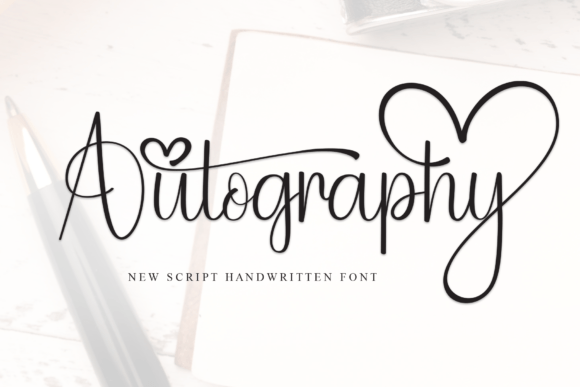
There's a certain magic in a handwritten note. It carries a personal touch, a sense of authenticity that typed text often lacks. In the digital age, capturing that feeling is a powerful design choice, and the right script font can be your secret weapon. Autography is one such typeface—a delicate, elegant, and flowing handwritten font that brings a human element to your work. With its beautiful, well-balanced characters, it offers a versatile solution for a wide pool of designs, from branding to social media, bridging the gap between casual warmth and professional polish.
The Visual Appeal: More Than Just Loops and Swashes
At first glance, Autography presents the classic hallmarks of a premium script font: fluid strokes, gentle curves, and a rhythm that mimics natural penmanship. But what sets it apart is its thoughtful construction. The characters aren't overly ornate or illegibly flourished. Instead, they maintain a clear, graceful structure that ensures readability even at smaller sizes. This balance is crucial. A font that's too decorative can become a visual mess in a paragraph, while one that's too plain loses its handwritten charm. Autography strikes that sweet spot, making it a practical display font for headlines and a usable choice for shorter body text where personality is key.
Consider its application in logo design. A wordmark set in Autography instantly communicates approachability, creativity, and a bespoke quality. It’s perfect for a boutique coffee shop, a wedding planner, a freelance photographer, or a handmade jewelry brand. The font does the heavy lifting of establishing an emotional connection before a customer even reads the name. This is the essence of effective brand identity—using visual tools to tell your story at a glance.
From Digital Screens to Printed Pages: Where Autography Shines
The true test of a creative font is its versatility across different media. Autography’s clean elegance allows it to adapt seamlessly, adding a touch of sophistication wherever it’s applied.
Digital Presence and Content Creation
For websites and blogs, a handwritten font like Autography can break the monotony of standard web-safe typefaces. Use it for section headings, pull quotes, or author signatures to inject personality into your layout. On social media graphics, it’s invaluable. Imagine Instagram story templates, Pinterest pins, or Facebook ads featuring a heartfelt message in Autography—it feels personal, crafted, and shareable. It helps your content stand out in a crowded feed, boosting audience engagement through visual distinction.
Physical Products and Print Collateral
Move beyond the screen, and Autography’s utility grows. In packaging design, it can evoke artisanal quality on labels for small-batch goods, from candles to sauces. For print materials like business cards, stationery, or thank-you notes, it adds a layer of personal branding that feels thoughtful and intentional. Event invitations, menus, and posters also benefit from its elegant flow, creating an atmosphere of curated style without the cost of custom calligraphy.
Building Cohesive Brand Systems
One of the biggest challenges in design is maintaining visual consistency across all touchpoints. Autography can serve as a consistent thread through your brand’s assets. Using it for your primary headline font on your website, then echoing it in your email newsletter headers and product tags, creates a recognizable and unified brand experience. This consistency is a cornerstone of professional presentation and brand recognition, making your business look established and thoughtful.
Making It Work: Practical Typography Advice
Choosing a beautiful font is only the first step. Using it effectively is what separates good design from great design. Here’s how to integrate a typeface like Autography into your projects with purpose.
- Pairing for Purpose: Autography, as a script font, pairs best with clean, simple sans serif or serif fonts. For example, use Autography for your main headline and pair it with a readable sans serif like Montserrat or Lato for body text. This contrast ensures hierarchy and keeps the design grounded and legible. Avoid pairing it with another ornate or complex font, as this creates visual competition and confusion.
- Readability is Non-Negotiable: Always test your font choices in context. Set a paragraph of text in Autography and view it at the intended size. Can you read it effortlessly? If the answer is no, reserve it for shorter elements like single words, phrases, or logos. For longer text blocks, opt for a more neutral companion font. Your audience’s ability to consume your message is paramount.
- Explore the Full Package: A quality commercial font often comes with multiple styles—regular, bold, italic, or even alternate character sets. Before starting a project, review all the included font styles. The bold weight might be perfect for a strong call-to-action, while the regular weight suits elegant invitations. Understanding your full toolkit gives you more creative flexibility.
- License with Confidence: If you plan to use Autography for commercial work—client projects, merchandise, or digital products for sale—ensure you have the appropriate commercial license. Reputable font designers and foundries provide clear licensing information. This protects your work and supports the artists who create these valuable design assets. It’s a professional courtesy that’s essential for any serious creative entrepreneur.
A Thoughtful Addition to Your Design Toolkit
Ultimately, a typeface like Autography is a tool for communication. It’s not just about making something look pretty; it’s about conveying a specific feeling—warmth, elegance, creativity, or sincerity. It’s a premium font choice for designers, small business owners, and content creators who understand that typography is a silent ambassador for their brand. By thoughtfully applying its strengths and respecting its limitations, you can use it to create designs that are not only visually appealing but also strategically effective, helping you connect with your audience on a more personal level.