The Signature Font: Crafting a Handwritten Legacy for Your Brand
There is a particular feeling you get when you see a signature that flows with effortless grace—a sense of intimacy, of authenticity, of something crafted by hand rather than assembled by a machine. This is the exact sentiment the Signature font is built to capture. In a digital landscape often dominated by rigid geometry and stark minimalism, this typeface offers a breath of fresh air. It is not merely a collection of letters; it is a visual representation of personality. By intertwining an artisanal touch with a beautifully flowing cursive style, Signature challenges the norm of standard typography. It brings a harmonious equilibrium to diverse artistic pursuits, allowing designers to infuse their work with a relaxed refinement that feels both luxurious and approachable.
Visual Harmony and the Art of Flow
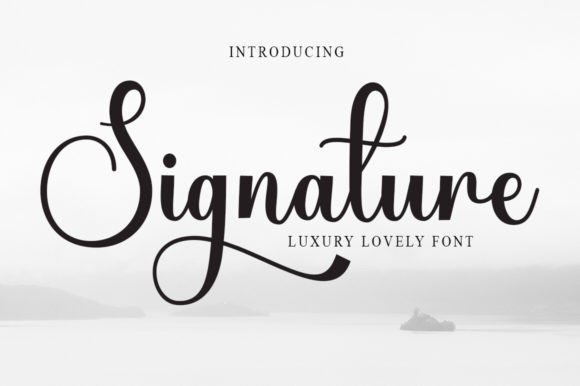
What makes a script font stand out in a sea of available design assets? It often comes down to the "bounce" and the connectivity of the letters. The Signature typeface excels here because it avoids the stiffness of automated cursive generators. Instead, it mimics the natural pressure and release of a hand using a broad-tipped pen. The letterforms are designed with a deliberate, yet unstudied, rhythm. This creates a delightful atmosphere that draws the viewer’s eye along the baseline, making it an exceptional tool for storytelling.
For graphic designers and brand strategists, the visual weight of this font is significant. It possesses a bold enough presence to act as a headline display font, yet retains the delicacy required for intimate greeting cards. This duality allows it to bridge the gap between high-energy promotional campaigns and the quiet elegance of wedding materials. When you select a premium font like this, you are investing in a tool that renders an elite feel to your visuals without needing excessive ornamentation. The charm lies in its understatement; it suggests luxury rather than shouting about it.
Building a Brand Identity with a Personal Touch
For small business owners and entrepreneurs, choosing a typeface is one of the most critical decisions in defining a brand identity. Typography speaks volumes before a customer reads a single word of copy. If your brand voice is friendly, bespoke, or creative, a rigid sans-serif might send the wrong message. This is where a handwritten font becomes invaluable.
Consider the impact on logo design. A logo serves as the face of your business, and using the Signature font can instantly humanize your brand. It works particularly well for industries that rely on personal connection, such as lifestyle coaching, boutique bakeries, artisanal crafts, or high-end fashion. When applied to packaging design, this typeface transforms a simple box or bag into a gift. It suggests that care was taken in the presentation, elevating the perceived value of the product inside.
However, brand recognition relies on more than just a pretty logo. It requires visual consistency across all touchpoints. Whether you are designing a website header, a social media graphic, or a business card, maintaining the same fluid aesthetic helps build trust. The versatility of this script font allows it to travel seamlessly from digital to print. Imagine your Instagram stories having the same elegant flair as your physical thank-you notes; this consistency creates a cohesive ecosystem that customers learn to recognize and appreciate instantly.
Practical Applications: From Editorial to E-Commerce
The utility of a well-crafted cursive extends far beyond branding basics. In the realm of editorial design and publishing, this font can be used to create striking pull quotes or chapter titles that break up the monotony of body text. It adds a layer of sophistication to magazine layouts and book covers, particularly in genres like romance, lifestyle, or memoir. The flowing nature of the letters guides the reader's eye, creating a natural focal point that enhances readability for highlighted content.
For content creators and digital marketers, the challenge is often capturing attention in a crowded feed. Static, standard typography often gets scrolled past. Incorporating a dynamic script font into your digital products—such as PDF guides, online course materials, or e-books—can significantly improve audience engagement. It signals that the content is curated and professional. Furthermore, in web design, using this font for specific headers or call-to-action buttons can soften the user experience, making a website feel less corporate and more inviting.
We must also consider the booming market of merchandise. Tote bags, mugs, and apparel often rely on witty sayings or artistic statements. The Signature font is the optimal choice for these items because it mimics the look of custom hand-lettering, which is highly sought after in the fashion and accessories market. It allows creators to produce print-on-demand items that look expensive and custom-designed, rather than generic.
Mastering Typography: Pairing and Readability
While a flowing script font is visually arresting, it requires a strategic approach to ensure the final design remains functional. One of the most common mistakes in modern typography is sacrificing readability for style. Because Signature is a display font with intricate swashes and connections, it is best suited for headlines, logos, and short bursts of text rather than long-form paragraphs. Using it for body copy would likely cause eye strain for your audience.
The solution lies in effective font pairing. To let the script font shine, pair it with a clean, neutral companion. A simple sans-serif font or a classic serif font works beautifully as a counterbalance. For example, if you are designing a wedding invitation, use the Signature font for the couple's names to create that romantic, amorous atmosphere, and pair it with a highly legible sans-serif for the time, date, and venue details. This contrast creates a visual hierarchy that guides the viewer from the most important information to the supporting details.
When testing your pairings, consider the x-height and the visual weight of the fonts. You want a harmonious equilibrium where neither font overpowers the other. A helpful exercise is to print out your designs or view them on different mobile devices. What looks elegant on a large monitor might become illegible on a small smartphone screen if the flourishes are too complex. Always prioritize the user experience; the goal is to delight the viewer, not frustrate them.
Commercial Confidence and Final Considerations
Before integrating any new typeface into your workflow, it is essential to understand the licensing. Most premium fonts come with specific terms regarding commercial use. Whether you are a freelancer creating assets for clients or a business owner selling merchandise, ensuring you have the correct license protects you legally and supports the type designers who create these beautiful tools.
Additionally, take the time to explore the full character map of the font. High-quality script fonts often include alternate characters, ligatures, and stylistic sets. These features allow you to customize the look of the text, ensuring that repeated letters don't look identical (which breaks the illusion of handwriting) and that connections between specific letter combinations flow smoothly. Utilizing these built-in features is what separates amateur typography from professional design.
In the end, the Signature font is more than just a design asset; it is a bridge between the digital and the personal. It offers a way to communicate warmth, elegance, and artisanal quality in a world that often feels automated. By understanding its strengths and applying it thoughtfully to your projects, you can transcend the ordinary and create designs that truly resonate with your audience.