Old Typewriter: The Slab Serif Font with Vintage Character
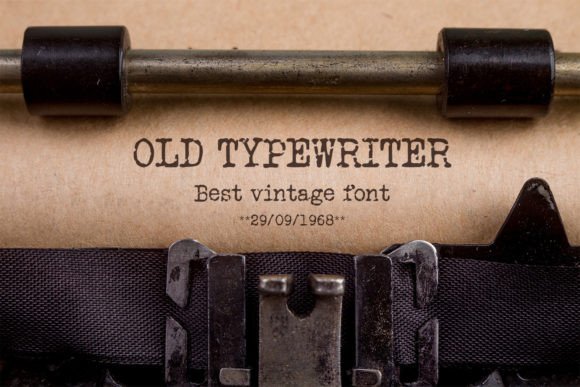
There's something undeniably charming about the clack of typewriter keys, the slightly uneven impression of ink on paper, and the subtle imperfections that give each page a sense of history. While most of us have moved on to sleek digital devices, that nostalgic aesthetic still holds powerful appeal in design. The Old Typewriter font captures this essence perfectly, offering a thematic slab serif typeface that brings the warmth and character of mechanical typing to your modern projects.
This isn't just another retro novelty. Old Typewriter is a carefully crafted display font designed to evoke a specific mood and era. Its visual personality is rooted in the mechanical type of the mid-20th century, featuring the sturdy, blocky serifs and slightly worn edges that define the style. This gives it an authentic, handcrafted feel that stands in stark contrast to the sterile perfection of many contemporary digital fonts. For designers and creators seeking a typeface with a story, it provides an immediate visual shorthand for authenticity, nostalgia, and a touch of mystery.
More Than Just a Retro Aesthetic
The true value of a font like Old Typewriter lies in its versatility across different mediums and project goals. Its distinctive character makes it a powerful tool for branding and visual identity. Imagine a craft brewery using it on labels and merchandise to suggest a time-honored, artisanal process. A mystery podcast could use it for its logo and promotional graphics to instantly set a forensic, investigative tone. For a writer's personal brand, it communicates a dedication to the craft of words in a visually compelling way.
Beyond logos, its applications are extensive. Consider how it can transform:
- Editorial Design: Use it for chapter headings, pull quotes, or section titles in magazines, books, or annual reports to break up the monotony of body text and inject personality.
- Packaging: On product packaging, especially for artisanal goods, gourmet foods, or vintage-inspired products, it adds a layer of perceived authenticity and craftsmanship.
- Posters & Wall Art: Its high-impact display qualities make it perfect for event posters, inspirational quote art, or gallery signage where you need to grab attention from a distance.
- Digital Products & Marketing: Elevate social media graphics, email headers, or digital download covers. A sale announcement set in Old Typewriter feels more intriguing than one in a standard sans serif.
- Invitations & Stationery: For weddings, parties, or business correspondence, it lends a formal yet personal, almost hand-typed quality.
Pairing Old Typewriter for Modern Readability
As a display or headline font, Old Typewriter is meant for impact, not for long paragraphs of body copy. Its textured, detailed letterforms can become difficult to read in small sizes or dense blocks of text. The key to using it effectively is thoughtful pairing. The goal is to let its personality shine while ensuring your overall design remains clear and professional.
A classic and reliable approach is to pair this slab serif with a clean, neutral sans serif font for body text. Fonts like Lato, Open Sans, or Roboto provide excellent readability and create a pleasing visual contrast. The modern simplicity of the sans serif allows the vintage character of Old Typewriter to stand out without competing. Alternatively, pairing it with a simple, readable serif font like Georgia or Merriweather can create a more traditional, layered typographic hierarchy.
Always test your font pairings in context. View your headline and body text together at the intended size on different screens and in print if possible. Check the spacing and kerning to ensure letters don't feel crowded. The included font files—often coming in multiple weights or styles—should be reviewed to see if they offer the flexibility you need, such as a bold for extra emphasis or a lighter version for subheadings.
Practical Considerations for Your Project
Before integrating any new font into your workflow, especially for commercial use, there are a few practical steps to consider. First, confirm the licensing. Most premium fonts come with specific commercial licenses that dictate how and where you can use them—in client work, on merchandise, in software, etc. Ensure the license for Old Typewriter covers your intended applications.
Next, think about your brand's overall visual language. If your existing brand identity is minimalist and geometric, introducing a textured, vintage typewriter font might feel jarring. It works best when it complements your project's core message and visual style. Ask yourself: Does this font support the story I'm trying to tell? Does it resonate with my target audience?
Finally, use it strategically. Not every project needs a high-character display font. Reserve Old Typewriter for elements where you want to make a specific statement. It could be the main logo wordmark, the title on a book cover, the headline on a landing page, or the central text on a poster. Let it be the star of the show in those moments, supported by more understated typography elsewhere.
In a landscape saturated with clean, geometric typefaces, the Old Typewriter font offers a refreshing dose of personality and warmth. It’s a design asset that does more than just spell out words; it sets a scene, evokes an emotion, and adds a tangible layer of texture to your creative work. Used thoughtfully, it can be the defining element that makes your branding memorable, your packaging irresistible, and your designs truly stand out.