Embracing the Coquette Aesthetic with Ophelia's Story
There is a specific kind of magic found in the quiet moments before the world fully wakes up—the soft light filtering through linen curtains, the steam rising from a ceramic mug, and the tactile comfort of pen on paper. It is this exact feeling of warmth and nostalgia that the Ophelia Story typeface seeks to capture. In a digital landscape often dominated by sharp edges, rigid grids, and aggressive sans-serifs, this script font offers a gentle rebellion. It is a premium font designed not just to display text, but to evoke a feeling. For designers and entrepreneurs aiming to craft a brand identity that feels personal, inviting, and deeply human, understanding the nuances of this typeface is the first step toward creating truly resonant visual communication.
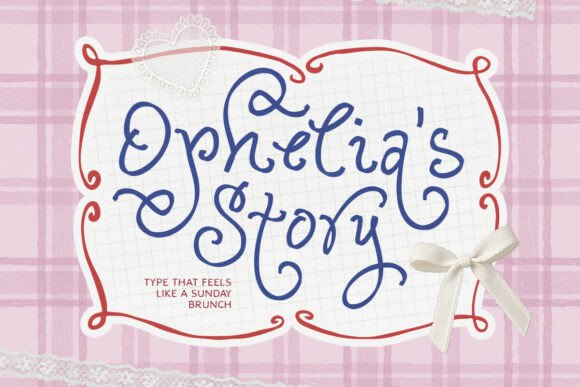
Ophelia’s Story is characterized by its whimsical, monoline letterforms. Unlike heavy, formal calligraphy scripts that can feel stuffy or overly traditional, this font utilizes rhythmic, looping swashes and a hand-drawn flow. It bridges the gap between a casual handwritten font and a polished commercial font. The visual personality is undeniably "coquette-aesthetic"—think soft textures, floral motifs, and a lightheartedness that appeals to a demographic seeking comfort and authenticity. It is a display font that doesn't scream for attention but rather whispers an invitation to look closer.
The Psychology of Soft-and-Dreamy Design
Why does typography matter so much in branding? Because the shape of a letter carries as much weight as the word itself. When a customer sees a logo rendered in a heavy, blocky sans-serif, they might infer strength or stability. Conversely, when they encounter the gentle loops of a script font like Ophelia Story, the immediate association is often warmth, care, and creativity.
For independent businesses, this psychological trigger is invaluable. A local artisan bakery, for example, wants customers to feel as though every loaf was kneaded with love. A boutique stationery brand needs to suggest that their products will make the act of writing a letter feel special. By utilizing a typeface that mimics the imperfections and rhythm of human handwriting, you bypass the coldness of corporate communication. You create an immediate emotional connection. This is the core of effective visual branding: aligning the aesthetic of your assets with the emotional state you wish to invoke in your audience.
Practical Applications: From Packaging to Social Media
The versatility of a script font lies in how it is applied. While Ophelia Story is a premier choice for romantic book covers and high-impact social media headers, its utility extends far beyond these obvious applications. Its lighthearted weight makes it surprisingly adaptable across various mediums, provided it is used with an understanding of readability and hierarchy.
Consider the following real-world applications where this typeface can elevate your project:
- Brand Identity and Logo Design: For businesses in the wellness, beauty, or lifestyle sectors, a logo set in Ophelia’s Story signals a personalized approach. It works exceptionally well for female entrepreneurs or brands targeting a female demographic that values aesthetic softness.
- Packaging Design: On physical goods, this font shines. Imagine it printed on a matte kraft paper coffee bag or a label for artisanal jam. The monoline structure ensures it remains legible even at smaller sizes, while the style suggests a homemade, small-batch quality.
- Digital Products and Web Design: In the realm of web design, this font is best reserved for headlines, sub-headers, or pull quotes. Using it for body text on a website can cause eye strain, but as a header on a landing page for a yoga retreat or a digital planner shop, it sets the perfect mood immediately.
- Social Media Graphics: On platforms like Instagram or Pinterest, where visual competition is fierce, the "soft-and-dreamy" vibe of the font helps stop the scroll. It is perfect for overlaying text on lifestyle photography, creating cohesive story highlights, or designing cohesive marketing assets.
- Editorial and Print: For wedding invitations, greeting cards, or magazine headers, the font provides a high-end, boutique feel. It mimics the look of a commissioned hand-lettering job without the associated cost or inconsistency.
Strategic Typography: Pairing and Hierarchy
One of the most common mistakes in modern typography is the misuse of script fonts. Because Ophelia Story is a display font with a strong personality, it requires a "grounding" partner. If you use a whimsical script for every line of text, the design becomes chaotic and unreadable.
To maintain a professional presentation and ensure readability, you must master the art of font pairing. The rule of contrast is your best friend here. Because Ophelia’s Story is fluid, decorative, and monoline, it pairs best with a clean, simple companion.
Consider these pairing strategies:
- Pair with a Clean Sans-Serif: A geometric sans-serif font (like Montserrat, Lato, or a similar clean typeface) provides the perfect structural counterbalance. The neutrality of the sans-serif allows the personality of the script to pop without overwhelming the viewer.
- Pair with a Classic Serif: For a more editorial, "old money" aesthetic, pairing the script with a traditional serif font can look stunning. This works well for book covers or high-end magazine layouts.
- Use for Emphasis Only: Use Ophelia’s Story for the "hero" word in a headline or a specific call to action, and render the remaining text in a standard weight. This draws the eye exactly where you want it.
When designing, always test your pairings at different sizes. A font that looks beautiful on a 27-inch monitor might become an unreadable blur on a mobile screen. Ensure that the specific characteristics of the font—the loops and swashes—do not collide with adjacent letters (kerning) in a way that obscures the word.
Enhancing Brand Recognition and Consistency
Visual consistency is the bedrock of brand recognition. When a potential customer sees your marketing materials, they should be able to recognize your brand before they even read the name. Ophelia Story offers a distinct visual signature. Because of its "nostalgic-and-cozy" soul, it creates a cohesive atmosphere that can unify disparate elements of a business.
For instance, a content creator can use this font across their blog headers, their email newsletter graphics, and their merchandise. This creates a seamless experience for the audience. When they buy a t-shirt with a quote written in your brand font, and then see that same font on your Instagram stories, the connection is reinforced. You aren't just selling a product; you are selling a consistent aesthetic world.
However, consistency also means respecting the font's limits. If you are designing a dense, 500-word blog post, do not force the entire text into the script. That is a misuse of the asset. Instead, use it to create the "vibe" of the header, and let a highly readable serif or sans-serif do the heavy lifting for the body copy. This respects the reader's time while still delivering the brand experience.
Navigating Licensing and Usage Rights
As you explore incorporating this creative font into your toolkit, it is crucial to address the practical side of commercial licensing. A premium font like Ophelia Story is an intellectual property asset. Whether you are a freelance designer handing off files to a client, or a small business owner using the font on your own merchandise, you must understand the license you hold.
Most commercial fonts come with specific terms regarding:
- Desktop License: Usually covers installing the font on your computer to create static images, logos, and print materials.
- Web License: If you want to use the font on your website via CSS, you often need a specific web license that covers monthly page views.
- App/E-pub License: If you are embedding the font in a mobile application or a digital eBook, this usually requires a separate license tier.
Before finalizing a design for a client or launching a product line, review the specific terms provided with the font files. Ensuring you have the correct license protects your business legally and supports the type designers who create these beautiful tools. It is a small but vital part of the design process that ensures your professional presentation remains above board.
Crafting a Story with Letterforms
Ultimately, typography is about storytelling. The letters we choose to represent our words carry the tone of voice long before the message is fully processed by the brain. Ophelia Story is more than just a collection of curves and lines; it is a tool for connection. It speaks to the maker, the dreamer, and the entrepreneur who values the slow, intentional process of creation.
By integrating this typeface into your design assets, you are making a deliberate choice to embrace warmth. You are choosing to stand out from the harsh, industrial aesthetic that dominates so much of the web. Whether you are designing a logo for a new café, laying out a romantic novel, or crafting social media graphics for a lifestyle brand, this font provides the perfect foundation for a visual identity that feels authentic, nostalgic, and undeniably charming. Use it wisely, pair it thoughtfully, and let it tell your story.